- Home
- Conditions
- Scarring Alopecia
Scarring Alopecia
Scarring Alopecia, also known as cicatricial alopecia, is a group of rare hair loss conditions that cause permanent damage to hair follicles. In this condition, inflammation destroys the hair follicles and replaces them with scar tissue, preventing new hair from growing in the affected areas.

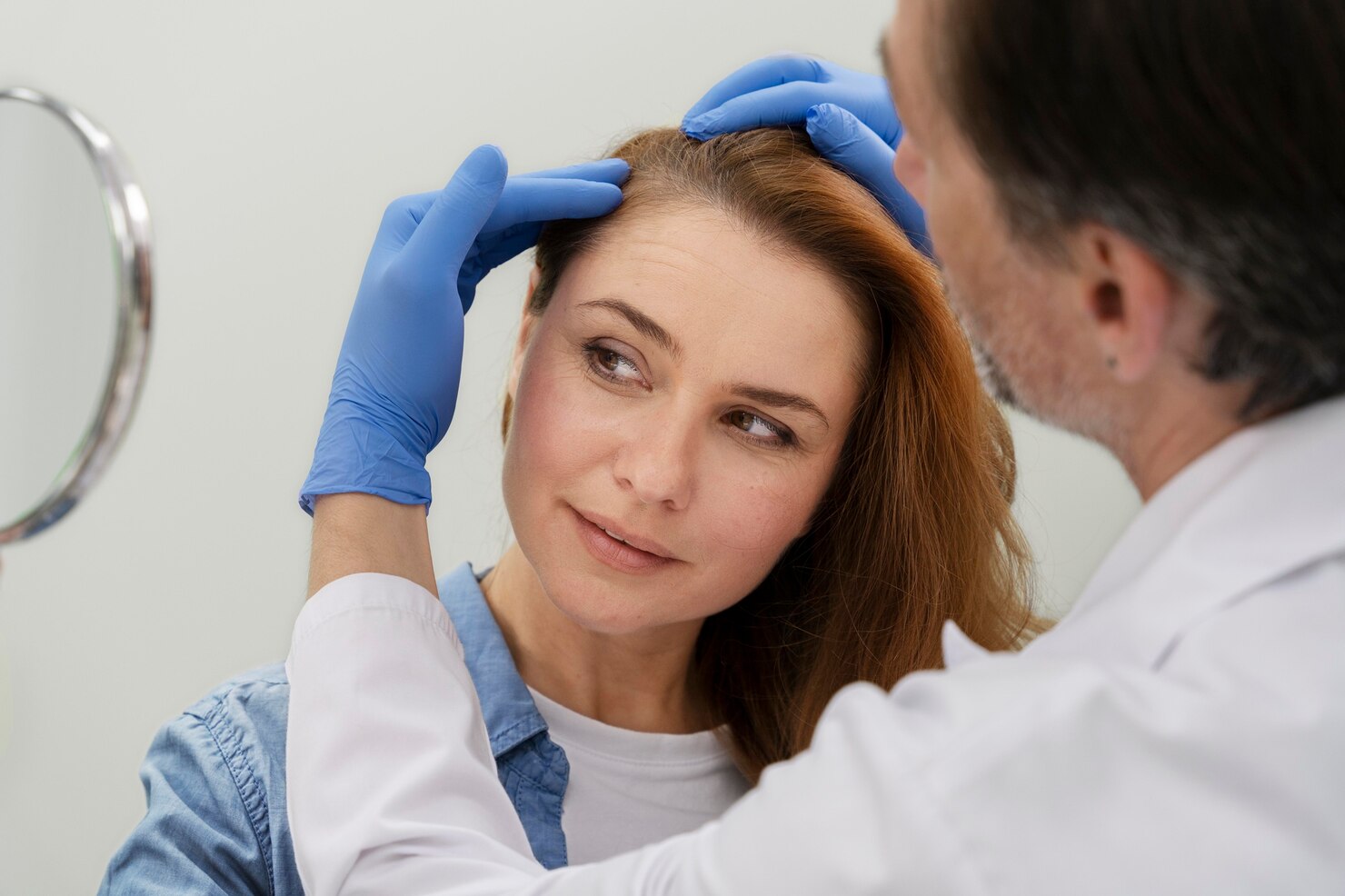
Signs of Scarring Alopecia
The symptoms of scarring alopecia can vary depending on the type of condition affecting the scalp. Common signs may include:
- Patchy hair loss that gradually increases in size
- Smooth areas on the scalp where hair no longer grows
- Redness, inflammation, or irritation on the scalp
- Burning, itching, or tenderness in affected areas
- Scalp scaling or flaking around hair follicles
- Permanent hair loss in certain patches of the scalp
If these symptoms appear, early consultation with a dermatologist is important to prevent further damage to hair follicles.
What Causes Scarring Alopecia?
Scarring alopecia can develop due to inflammation or certain skin conditions that damage the hair follicles.
- Autoimmune disorders affecting the scalp
- Chronic scalp inflammation
- Severe scalp infections
- Skin conditions such as lichen planopilaris or lupus
- Physical injury or trauma to the scalp
- Certain rare dermatological disorders
These conditions lead to inflammation that gradually destroys hair follicles and replaces them with scar tissue.
Why Early Diagnosis is Important
Scarring alopecia can cause permanent hair loss if the condition progresses without treatment.
- Control inflammation affecting hair follicles
- Prevent further hair loss or scalp damage
- Protect remaining hair follicles
- Manage symptoms such as itching or irritation
- Improve overall scalp health
Prompt medical care is essential to slow the progression of the condition.
Types of Scarring Alopecia
There are several forms of scarring alopecia, each with different causes and characteristics.
Lichen Planopilaris
An inflammatory condition that affects hair follicles and leads to patchy hair loss along with scalp redness and irritation.
Frontal Fibrosing Alopecia
A type of scarring alopecia that causes gradual hairline recession, often affecting women.
Central Centrifugal Cicatricial Alopecia
Hair loss that typically begins at the crown and spreads outward.
Discoid Lupus Erythematosus
A condition linked to lupus that can cause inflammation and scarring on the scalp.
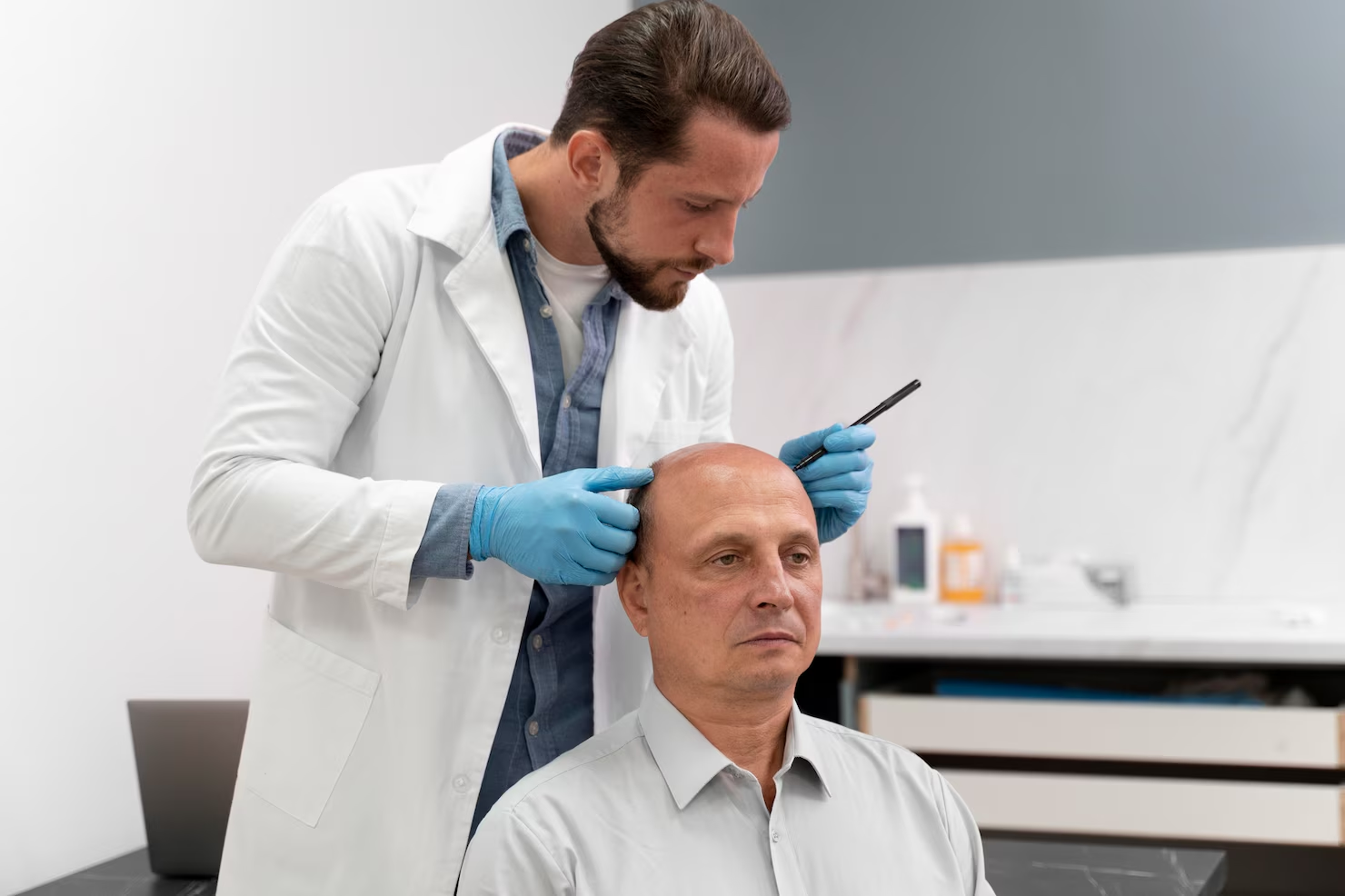
When Should You Consult a Dermatologist?
You should seek professional evaluation if:
- You notice patchy hair loss with scalp redness or irritation
- Hair loss is accompanied by burning or itching sensations
- Bald patches appear smooth or shiny
- Hair does not regrow in affected areas
- Hair loss continues to worsen over time
What to Expect During Your Consultation
During your visit, the doctor may:
- Examine the scalp and affected areas carefully
- Assess signs of inflammation or scarring
- Review your medical history and symptoms
- Recommend scalp tests or biopsy if required
- Identify the type of scarring alopecia
- Suggest treatment options to control the condition
Managing Scarring Alopecia
Although hair follicles damaged by scarring cannot regrow hair, early treatment can help control the condition and prevent further hair loss.
- Treatments to reduce scalp inflammation
- Medications to control immune system reactions
- Scalp care to support healthy skin
- Regular monitoring by a dermatologist
- Lifestyle changes to support scalp health
Your Skin & Hair Deserve Expert Care
Our dermatology experts provide personalized diagnosis and advanced treatments for healthier skin and stronger hair.
Frequently Asked Questions (FAQs)
Is scarring alopecia permanent?
Yes, hair loss caused by scarring alopecia can be permanent because the hair follicles are damaged. However, early treatment can help prevent further hair loss.
What causes scarring alopecia?
It can be caused by autoimmune conditions, scalp inflammation, infections, or certain skin disorders affecting the hair follicles.
Is scarring alopecia common?
Scarring alopecia is less common than other types of hair loss but requires early medical attention to prevent permanent hair loss.
We are here for you! Contact us any time.
- Our Services
Our Comprehensive Recovery Programs
We offer personalized, evidence-based programs designed to support your unique journey to sobriety and long-term wellness.