- Home
- Conditions
- Scarring Alopecia
Post-Chemotherapy Alopecia
Post-Chemotherapy Alopecia refers to hair loss that occurs as a result of chemotherapy treatment used for cancer therapy. Chemotherapy drugs target rapidly dividing cells in the body, including cancer cells. However, hair follicle cells also grow rapidly, which is why they are often affected during treatment.
As a result, many patients experience partial or complete hair loss on the scalp and sometimes on other areas such as eyebrows, eyelashes, or body hair. While this hair loss can be emotionally challenging, it is usually temporary, and hair often begins to grow back once chemotherapy treatment is completed.
At Revola Skin & Hair Clinic, we support patients dealing with post-chemotherapy alopecia by providing expert scalp care and guidance to help restore hair growth and improve scalp health after treatment.

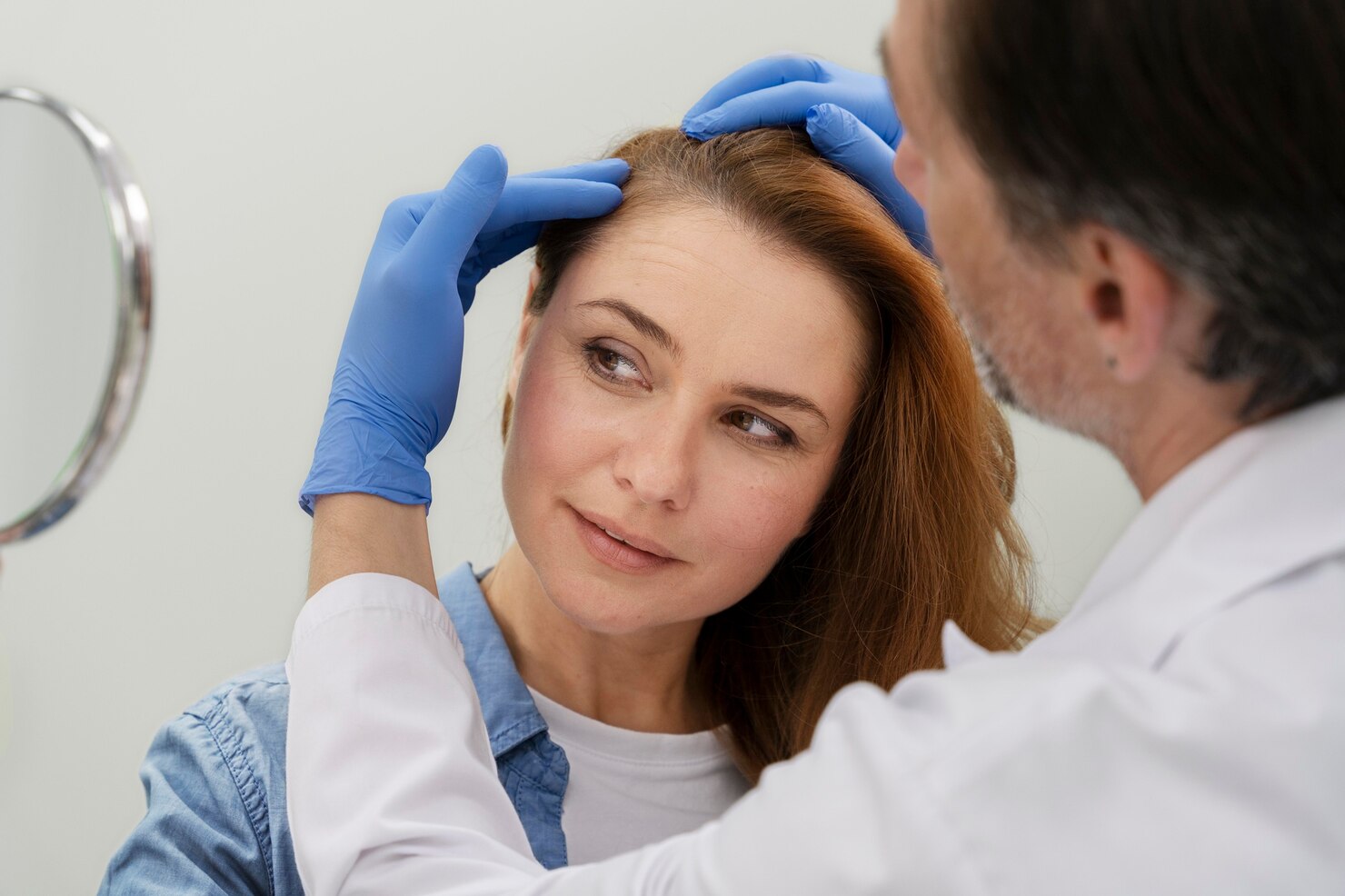
Signs of Post-Chemotherapy Hair Loss
Hair loss related to chemotherapy may develop gradually or suddenly during treatment.
- Hair thinning or shedding during chemotherapy treatment
- Sudden or rapid hair loss across the scalp
- Loss of eyebrows, eyelashes, or body hair
- Hair falling out in clumps while brushing or washing
- Temporary baldness in severe cases
- Changes in hair texture when it regrows
Hair loss may begin 2–3 weeks after starting chemotherapy and can continue during the course of treatment.
Why Chemotherapy Causes Hair Loss
Chemotherapy medications are designed to destroy rapidly dividing cancer cells. However, these medications may also affect other rapidly growing cells in the body.
- Hair follicle cells responsible for hair growth
- Cells in the scalp and skin
- Other rapidly dividing healthy cells
When hair follicles are affected, the hair growth cycle is disrupted, leading to temporary hair shedding and thinning.
When Does Hair Grow Back After Chemotherapy?
Hair regrowth after chemotherapy varies from person to person, but most patients begin to see improvement after treatment ends.
- Hair loss begins 2–3 weeks after chemotherapy starts
- Maximum hair shedding may occur during treatment
- Hair regrowth usually starts 3–6 months after treatment
- Hair may initially grow back softer, thinner, or with a different texture
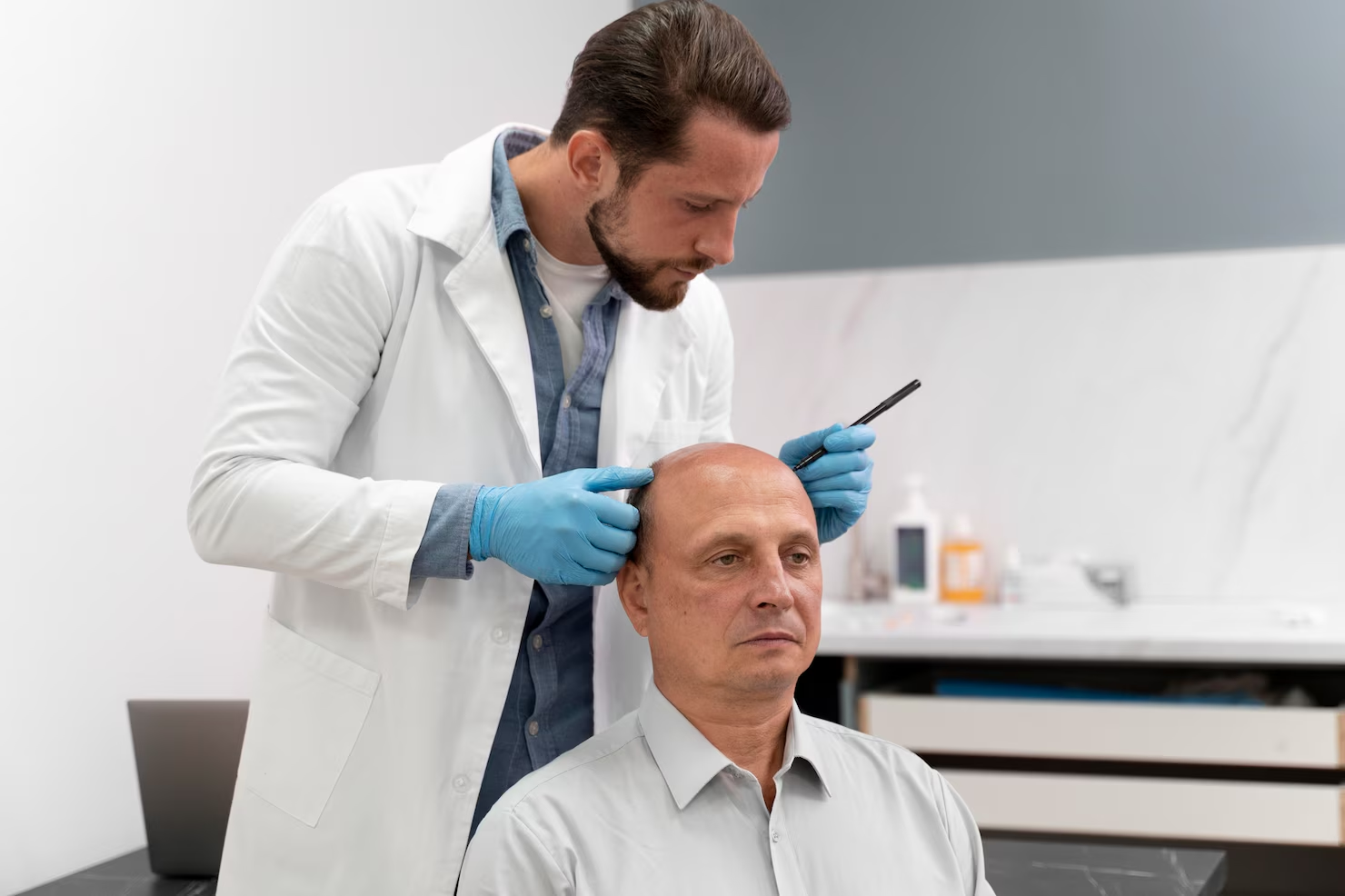
Why Professional Scalp Care is Helpful
After chemotherapy, the scalp and hair follicles may become sensitive and require special care
- Support healthy hair regrowth
- Improve scalp health after treatment
- Address dryness or sensitivity of the scalp
- Recommend safe hair restoration therapies
- Guide proper hair care during the recovery period
When Should You Consult a Dermatologist?
You may consider consulting a specialist if:
- Hair regrowth does not begin several months after treatment
- Hair grows back very thin or unevenly
- The scalp becomes dry, itchy, or irritated
- You experience patchy hair regrowth
- You want guidance for restoring healthy hair growth
What to Expect During Your Consultation
During your consultation, the doctor may:
- Examine the scalp and hair follicles
- Assess the stage of hair regrowth
- Review your medical and treatment history
- Evaluate scalp sensitivity or dryness
- Recommend supportive hair restoration treatments
- Suggest proper hair and scalp care practices
Tips to Support Hair Regrowth After Chemotherapy
Gentle scalp care and healthy habits can support the hair recovery process.
- Maintaining a nutritious diet rich in protein and vitamins
- Keeping the scalp clean and moisturized
- Avoiding harsh chemicals or heat styling
- Using mild, gentle hair care products
- Protecting the scalp from excessive sun exposure
Your Skin & Hair Deserve Expert Care
Our dermatology experts provide personalized diagnosis and advanced treatments for healthier skin and stronger hair.
Frequently Asked Questions (FAQs)
Is hair loss from chemotherapy permanent?
In most cases, chemotherapy-related hair loss is temporary, and hair usually grows back after treatment ends.
How long does it take for hair to grow back after chemotherapy?
Hair regrowth typically begins within 3–6 months after treatment, though the timeline may vary for each person.
Will my hair grow back the same as before?
Hair may initially grow back softer, curlier, or with a different texture, but it often returns to its normal appearance over time.
We are here for you! Contact us any time.
- Our Services
Our Comprehensive Recovery Programs
We offer personalized, evidence-based programs designed to support your unique journey to sobriety and long-term wellness.