Winter Skin Care Routine: A Dermatologist-Backed Guide for Dry Skin
Unwanted facial or body hair can make regular grooming time-consuming. Shaving, waxing and threading offer temporary results, but if you are looking for a longer-term way to reduce hair growth, permanent laser hair reduction may be an option worth exploring.
Before starting treatment, it is important to understand how the procedure works, how many sessions you may need, when results become noticeable and what safety precautions matter. If you are considering permanent laser hair removal in Nagpur, this guide will help you understand the process and prepare for an informed consultation.

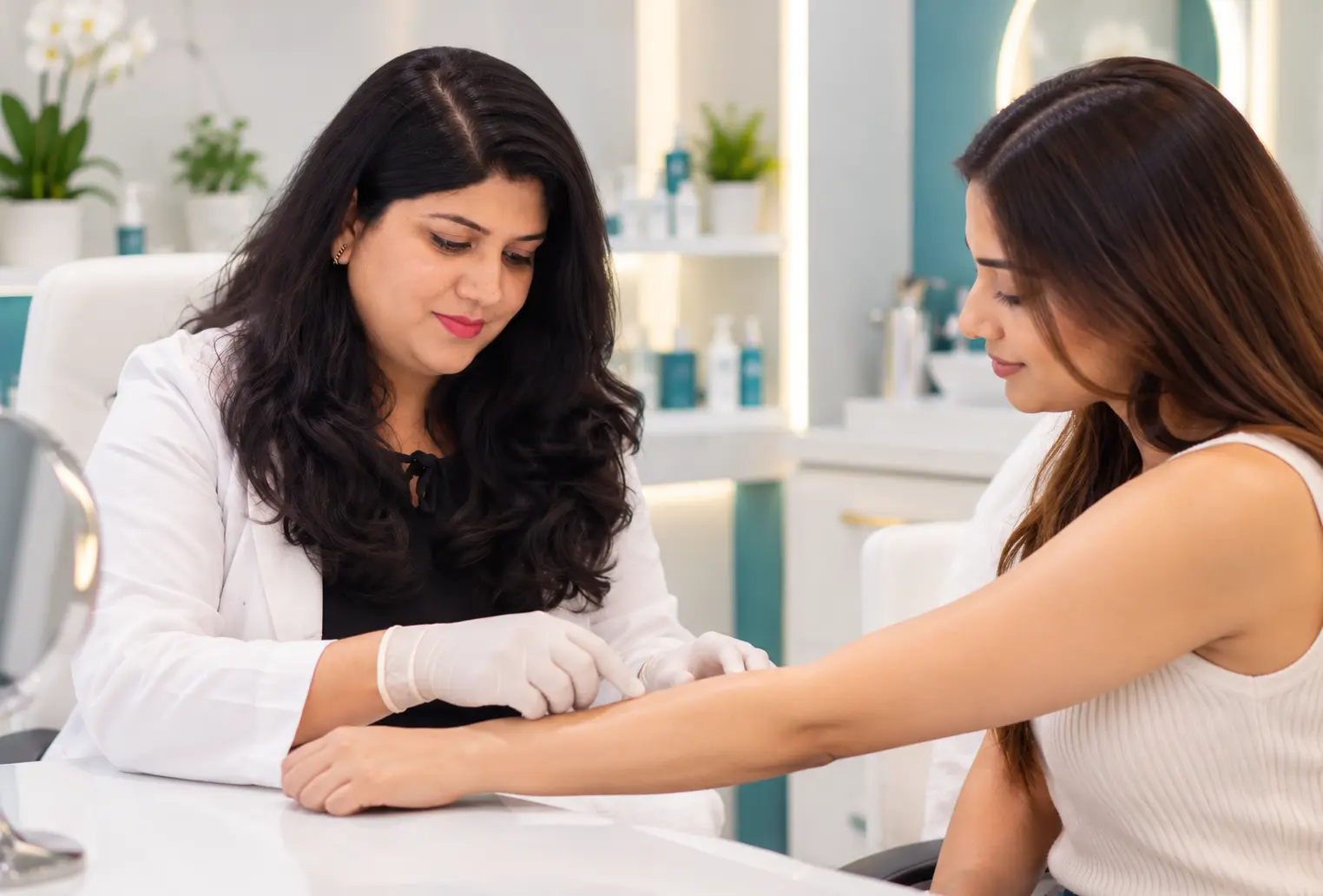
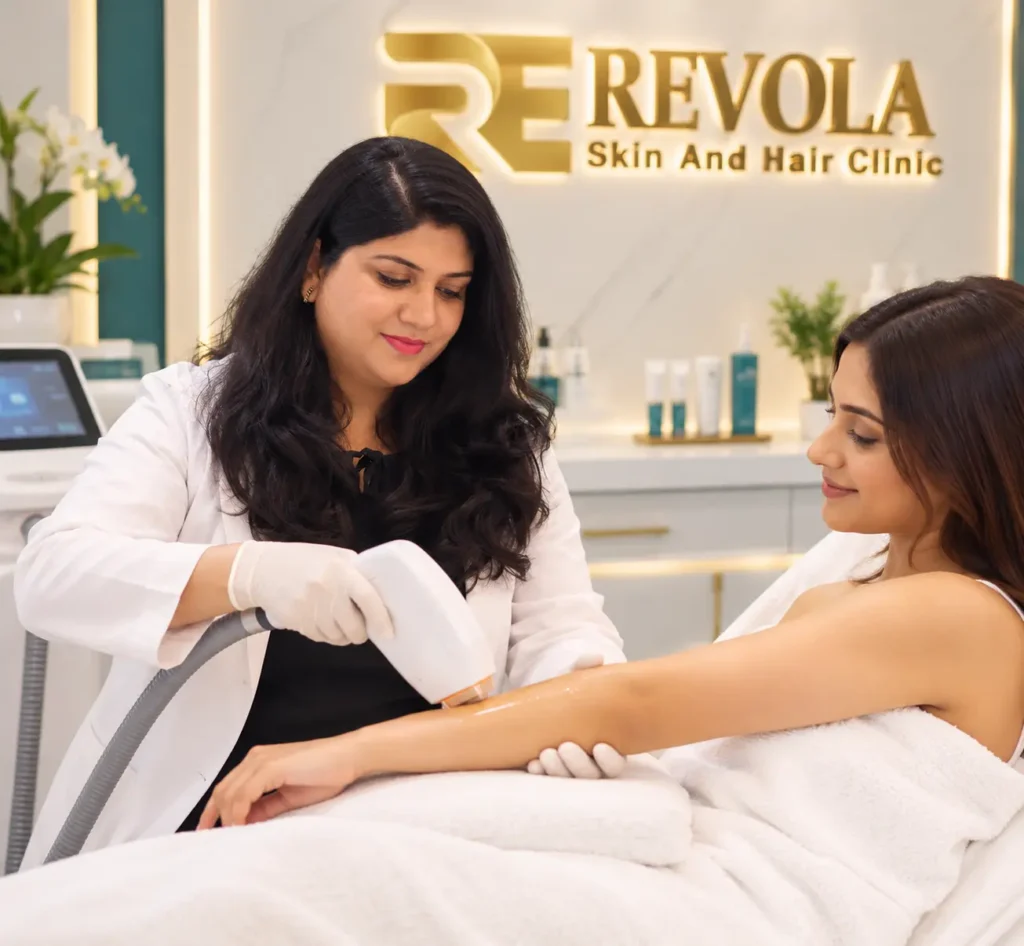
At Revola Hair & Skin Clinic, patients can discuss their hair-removal concerns with a dermatologist and explore whether treatment is suitable for their skin and hair type.
Laser hair reduction uses concentrated light energy to target melanin, the pigment present in hair. The energy is absorbed by the hair and converted into heat, which damages structures within the hair follicle responsible for growth.
Hair grows in different phases, and laser treatment is most effective when hair is in its active growth phase. Since follicles do not all reach this phase simultaneously, a series of sessions is usually necessary.
Laser hair reduction may be considered for several areas, including:
A face laser session focuses on smaller, more sensitive areas, while a full body laser plan covers multiple areas across the body. The appropriate areas and treatment approach depend on individual suitability and a professional assessment.
Laser hair reduction may suit people who want to reduce unwanted hair and spend less time shaving, waxing or threading. However, the results depend on several factors, including hair colour, hair thickness, skin tone, treatment area and hormonal influences.
Different laser systems interact with skin and hair pigment differently. People with darker skin can also be candidates for permanent laser hair reduction, but selecting appropriate equipment and settings is particularly important to minimise the risk of burns and pigmentation changes.
Dark, coarse hair generally responds better to conventional laser hair removal than very light, white, grey or red hair, which contains less of the pigment targeted by the treatment.
A dermatologist can assess your skin and hair characteristics and determine whether laser treatment is appropriate. The equipment and settings should be selected according to your individual needs rather than assuming one approach works for everyone.
One of the most common questions about permanent laser hair removal in Nagpur is how many sessions are needed to achieve visible results.
There is no universal session count. Many people require multiple treatments, and the total number depends on the treatment area, hair density, growth cycle, hormonal factors and individual response.
Laser treatment targets hair follicles most effectively during particular stages of growth. Because different follicles are in different phases at any given time, a single session cannot treat every hair equally effectively.
Appointments are generally spaced several weeks apart. Your dermatologist will recommend an appropriate interval based on the area being treated and your response to previous sessions.
Yes. Facial and body hair can have different growth patterns, so the treatment schedule may vary by area. A face laser plan may differ from a full body laser plan in the number of sessions and spacing. Hormonal factors can also influence hair growth, particularly around the face.
Rather than relying on a fixed session package or guaranteed timeline, discuss your goals and expected treatment schedule during your consultation.
Laser hair reduction produces gradual results. Treated hairs may shed over the days or weeks following a session, while other hairs may continue to grow because their follicles were not in the appropriate growth phase.
As treatment progresses, many people notice slower regrowth, reduced hair density or finer hair in treated areas. The degree of improvement varies, and results cannot be guaranteed after a particular number of sessions.
Factors that influence the outcome include:
Assessing progress over the full course of treatment gives a more useful picture than judging the results immediately after one appointment.
Permanent laser hair removal is best described as long-term hair reduction rather than a guarantee of complete permanent hair removal.
Many people experience lasting reductions in hair growth following treatment. However, some hair may return over time, and maintenance sessions may be needed. Hormonal changes can also contribute to new hair growth.
If your goal is to reduce how frequently you need to shave, wax or thread, discuss the likely benefits and limitations of permanent laser hair reduction with your dermatologist. A realistic treatment plan should account for your hair type, skin characteristics and expectations.
Laser hair reduction is generally considered safe when performed appropriately by a qualified professional using suitable equipment and settings. Nevertheless, it is a medical procedure and can cause side effects.
Temporary redness, mild swelling and skin sensitivity are common possible reactions. These usually settle within a short period.
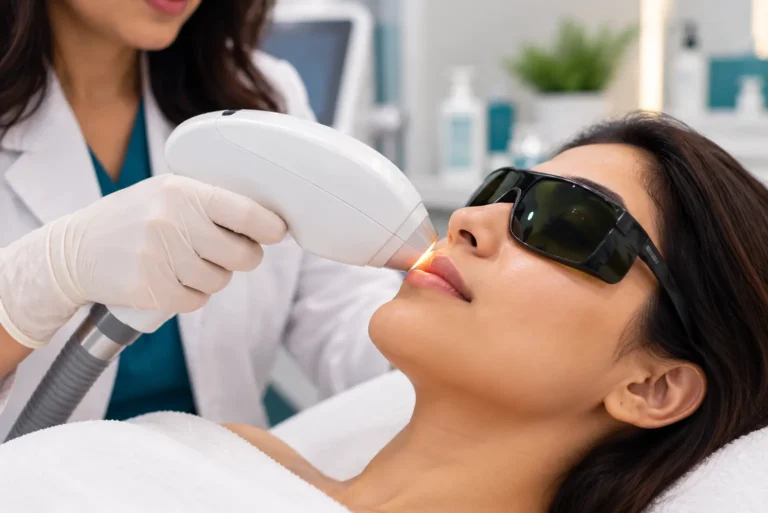
Less common but more serious risks include burns, blisters, scarring and changes in skin pigmentation. Eye injury is another potential risk if appropriate protective eyewear is not used. This is especially relevant for face laser treatment near the eyes.
Before treatment, your dermatologist should assess your skin, hair characteristics, medical history and suitability for the procedure. Tell them about medications, recent tanning, skin conditions and previous problems with scarring or pigmentation.
Ask which laser technology will be used and why it is suitable for your skin tone and hair type. Appropriate equipment, individualised settings, practitioner expertise and protective measures all contribute to safer treatment.
Follow the clinic’s pre-treatment and aftercare instructions. If you experience severe pain, blistering or unexpected skin changes, contact your healthcare provider.
Preparation and aftercare help reduce avoidable irritation and support a safer treatment experience.
Your dermatologist may provide additional instructions based on your skin and the area being treated.
The treatment area is prepared before the procedure, and protective eyewear should be worn. Depending on the area and your sensitivity, you may experience brief snapping sensations, warmth or discomfort.
After treatment, follow advice about gentle skincare, moisturising and sun protection. Avoid irritating products or excessive friction if the skin is sensitive. Do not pick at treated skin or any blisters.
Seek professional advice if your reaction is more severe or lasts longer than expected.

When comparing clinics, look beyond advertised session packages or promises of permanent results. A responsible provider should explain the expected benefits, possible side effects, treatment limitations and likely schedule.
Before proceeding, consider asking:
At Revola Hair & Skin Clinic in Nagpur, you can book a consultation with a dermatologist to discuss your concerns and explore treatment suitability for face laser or full body laser. The recommended approach should be based on an individual assessment rather than a one-size-fits-all plan.
How many sessions are needed for permanent laser hair reduction?
Multiple sessions are usually required because hair follicles grow in different phases. The number and spacing depend on the treatment area, hair characteristics and individual response.
Is permanent laser hair removal really permanent?
Laser treatment can provide long-term hair reduction, but complete permanent removal is not guaranteed. Some hair may regrow, and maintenance sessions may be necessary.
Is face laser treatment painful?
Some people experience brief snapping sensations, warmth or discomfort. The level varies by individual and treatment area, and the face can be more sensitive. Discuss comfort measures with your dermatologist if you are concerned.
Is full body laser suitable for darker skin?
Yes, certain laser systems can be suitable for darker skin tones. The choice of technology and settings should be based on an individual assessment to help minimise the risk of burns and pigmentation changes.
Can hair grow back after laser hair reduction?
Yes. Some hair may regrow after treatment, and hormonal changes can contribute to new growth. The amount and pattern of regrowth vary between individuals.
Permanent laser hair reduction may be a useful option if you want to reduce unwanted facial or body hair over time. Understanding session requirements, realistic results, possible side effects and aftercare can help you decide whether treatment is right for you.
If you are considering face laser or full body laser treatment in Nagpur, book a consultation with a dermatologist at Revola Hair & Skin Clinic to discuss your skin and hair type, treatment suitability and expected outcomes.
Reduce unwanted hair with expert laser hair reduction treatments in Nagpur. Get smoother-looking skin with personalized care from our dermatologists.

At Revola Skin & Hair Clinic, we pride ourselves on having a team of expert dermatologists and the best skin doctor in Nagpur, dedicated to solving any skin or hair-related issues.
Revola Skin and Hair Clinic 1st floor, Block No. B-1, Srinivas Apartment, Bajaj Nagar, Nagpur, Maharashtra 440010
© 2026 Revola Skin and Hair Clinic | All Rights Reserved