Melasma vs Hyperpigmentation: Differences, Causes, and Dermatologist-Recommended Treatments
Noticed brown or greyish patches on your cheeks, forehead or upper lip and wondered if they are melasma, sun damage or something else? You’re not alone. Many people searching for melasma treatment in Nagpur first need to understand what type of pigmentation they have because the right treatment depends on an accurate diagnosis.
Melasma and other forms of hyperpigmentation can look similar, but their causes, patterns and treatment approaches are different. This guide explains how to identify the differences, understand common triggers and explore treatment options recommended by dermatologists.
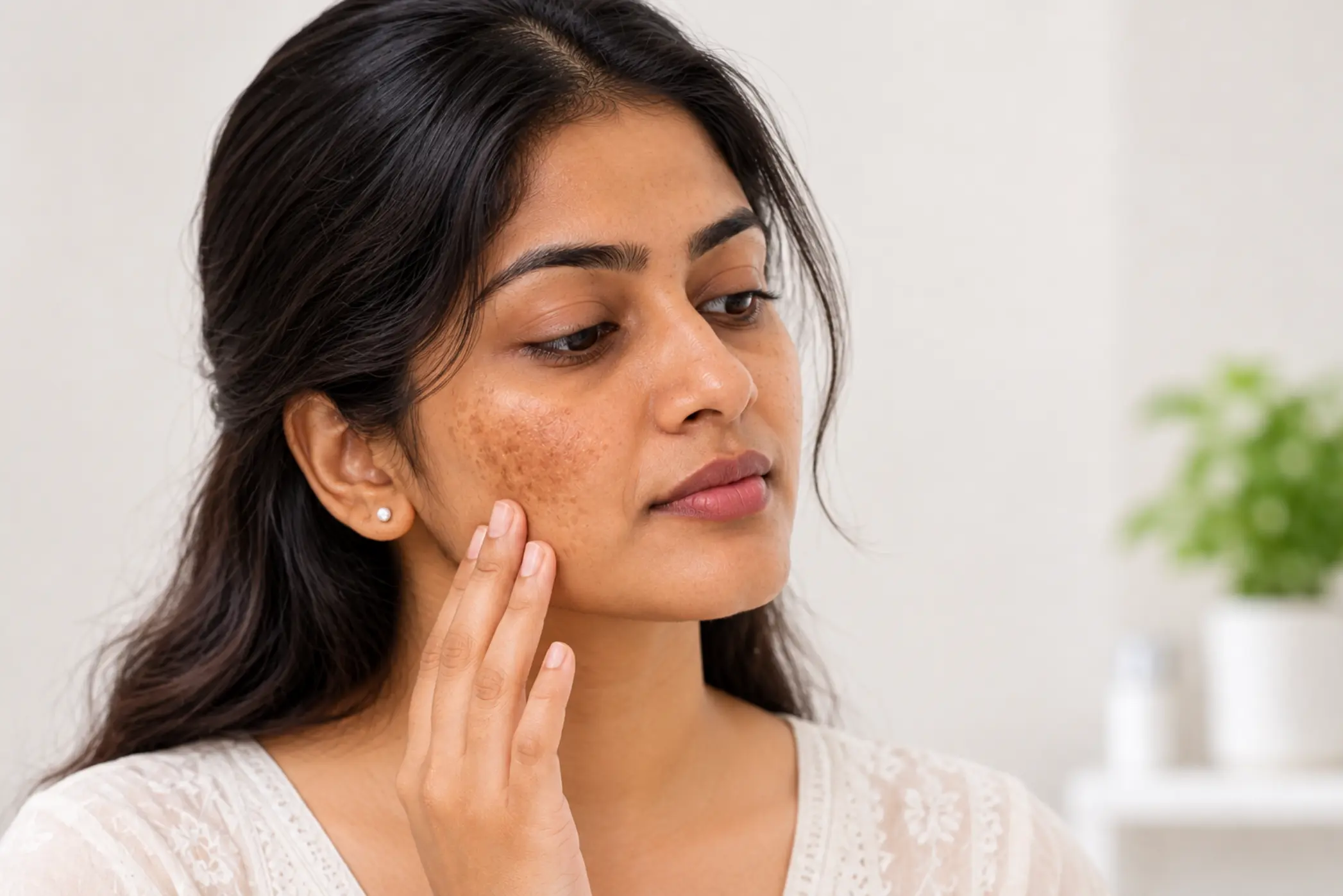

Hyperpigmentation is a broad term used to describe areas of skin that appear darker than the surrounding skin. It occurs when the skin produces excess melanin, the pigment responsible for skin colour.
Hyperpigmentation is not a single skin condition. It can develop due to several factors, including sun exposure, inflammation, hormonal changes and skin injuries.
Common types include:
Since different types of hyperpigmentation have different causes, the same skincare product or treatment may not work for everyone.
Melasma is a common, harmless skin condition that causes brown, light-brown or bluish-grey patches, usually on the face. It is sometimes called the “mask of pregnancy” because it frequently develops during pregnancy, although it can affect people who are not pregnant as well.
Commonly affected areas include:
One of the characteristic features of melasma is its symmetrical appearance, meaning patches often develop on both sides of the face.
Melasma may become more noticeable during summer or after prolonged sun exposure. Although it does not cause physical discomfort, it can affect a person’s confidence and often requires consistent, long-term management.
Understanding melasma causes is important for managing the condition and reducing the likelihood of recurrence.
Several factors can contribute to its development:
Melasma is more common in women, particularly during their reproductive years, although men can develop it too.
The main difference between melasma and hyperpigmentation is that hyperpigmentation is an umbrella term for darker skin patches, whereas melasma is one specific type of pigmentation condition.
Here’s how they differ:
Feature | Melasma | Other Hyperpigmentation |
Main triggers | Hormonal influences, sunlight and genetics | Sun damage, inflammation, injuries and certain medications |
Appearance | Larger, symmetrical patches | Often isolated spots or uneven marks |
Common locations | Cheeks, forehead, upper lip and chin | Face and other parts of the body |
Colour | Brown, light-brown or bluish-grey | Light to dark brown |
Pattern | Often symmetrical | May appear irregular or in specific affected areas |
Recurrence | Frequently returns after treatment | Depends on the underlying cause |
If you notice dark patches on your face appearing on both cheeks or other symmetrical areas, melasma may be a possibility. However, several skin conditions can look similar, so a dermatologist’s examination is necessary to confirm the diagnosis.
Although some pigmentation concerns improve with appropriate skincare, self-treating without identifying the cause can sometimes make the condition worse.
Consider consulting a dermatologist if:
Avoid harsh scrubs, lemon juice, toothpaste and unsupervised steroid-based or fairness creams. These can irritate the skin and potentially worsen pigmentation.
A dermatologist can assess your skin, identify the likely cause and recommend an appropriate treatment plan.
Both melasma and other forms of hyperpigmentation can be managed with appropriate treatments. However, the choice depends on the type of pigmentation, its severity, skin type and medical history.
Melasma, in particular, is a chronic condition that often requires ongoing management because pigmentation can return even after improvement.
Dermatologists may recommend prescription treatments or topical skincare ingredients to reduce excess pigmentation.
Common options include:
The dermatologist will determine which ingredient or combination is appropriate for your skin.
For selected pigmentation concerns, dermatologists may recommend clinical procedures alongside topical treatments.
Chemical Peels
Chemical peels use controlled exfoliating agents to remove damaged surface skin cells and improve uneven pigmentation. The type and strength of the peel must be selected carefully, particularly for darker skin tones, as irritation can worsen pigmentation.
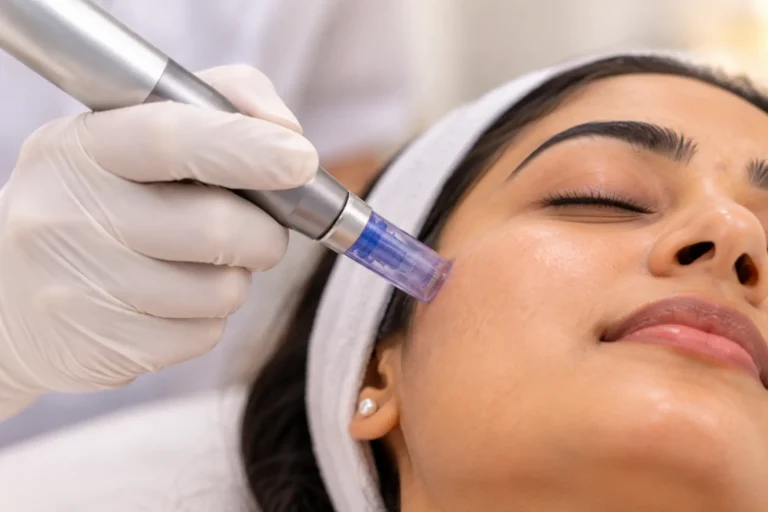
Microneedling
Microneedling uses fine needles to create controlled micro-injuries in the skin. It stimulates the skin’s repair response and may help improve texture and certain pigmentation concerns. It should only be performed by a qualified professional.
Laser Treatments
Certain laser treatments may help address specific pigmentation concerns. However, melasma requires particular caution because heat and inflammation can sometimes trigger further pigmentation or recurrence. Treatment selection should always be based on a dermatologist’s assessment.
Platelet-Rich Plasma (PRP)
Some dermatologists may consider platelet-rich plasma (PRP) as an additional treatment for melasma. However, evidence is still developing, and it is not considered a standard first-line treatment.
In selected cases, dermatologists may also discuss prescription oral medications. These require careful medical evaluation and should never be started without professional guidance.
If you’re searching for pigmentation treatment in Nagpur, choosing the right dermatologist is an important first step.
A qualified skin specialist can examine your pigmentation, identify whether it is melasma, sun damage or post-inflammatory hyperpigmentation, and recommend a treatment plan based on your skin type and individual concerns.
Rather than choosing treatments based only on online recommendations, seek a professional assessment to understand which options are suitable for your skin.
If you’re wondering how to reduce melasma on face, remember that professional treatment works best when combined with consistent skincare and sun protection.
Here are some daily habits that can help manage pigmentation:
Melasma and hyperpigmentation may look similar, but they have different underlying causes and treatment requirements. While melasma is commonly associated with hormonal influences and sun exposure, other forms of hyperpigmentation may develop due to acne, inflammation, injuries or sun damage.
Identifying the type of pigmentation is the first step towards choosing the right treatment. With an accurate diagnosis, dermatologist-guided care and consistent sun protection, many pigmentation concerns can be effectively managed.
Looking for expert melasma treatment in Nagpur? Schedule a consultation with a qualified dermatologist to understand your skin concerns and explore a personalised treatment approach.
Is melasma the same as hyperpigmentation?
No. Hyperpigmentation is a broad term used for darker areas of skin, while melasma is a specific type of pigmentation commonly associated with hormonal influences and sun exposure.
Can melasma be cured permanently?
Melasma can often be controlled and improved, but it may not be permanently cured. It can recur due to hormonal changes, sun exposure and other triggers. Consistent treatment and sun protection help manage the condition.
How do I know if I have melasma or sunspots?
Melasma usually appears as larger, symmetrical patches on the face, particularly on the cheeks and forehead. Sunspots are generally smaller, isolated brown spots caused by long-term sun exposure. A dermatologist can distinguish between them through a skin examination.
How long does melasma treatment take?
Treatment timelines vary depending on the severity of pigmentation and the individual’s response. Many people notice improvement after several weeks to a few months. Continued sun protection and maintenance treatment may be necessary.
Can men get melasma?
Yes. Although melasma is more common in women, men can develop it too. Sun exposure, genetic factors and hormonal influences may contribute to its development.
Are home remedies safe for dark patches on the face?
Not all home remedies are safe. Ingredients such as lemon juice, baking soda and toothpaste can irritate the skin and worsen pigmentation. It is better to use dermatologist-recommended skincare products and treatments.
Will sunscreen alone fix melasma?
Sunscreen may not remove existing melasma, but it plays an essential role in preventing pigmentation from becoming darker. Consistent sun protection also helps maintain the results of other treatments.
Melasma, sunspots and post-acne marks look alike but need different treatments. Get an accurate diagnosis and a personalised plan from our dermatologist.

At Revola Skin & Hair Clinic, we pride ourselves on having a team of expert dermatologists and the best skin doctor in Nagpur, dedicated to solving any skin or hair-related issues.
Revola Skin and Hair Clinic 1st floor, Block No. B-1, Srinivas Apartment, Bajaj Nagar, Nagpur, Maharashtra 440010
© 2026 Revola Skin and Hair Clinic | All Rights Reserved